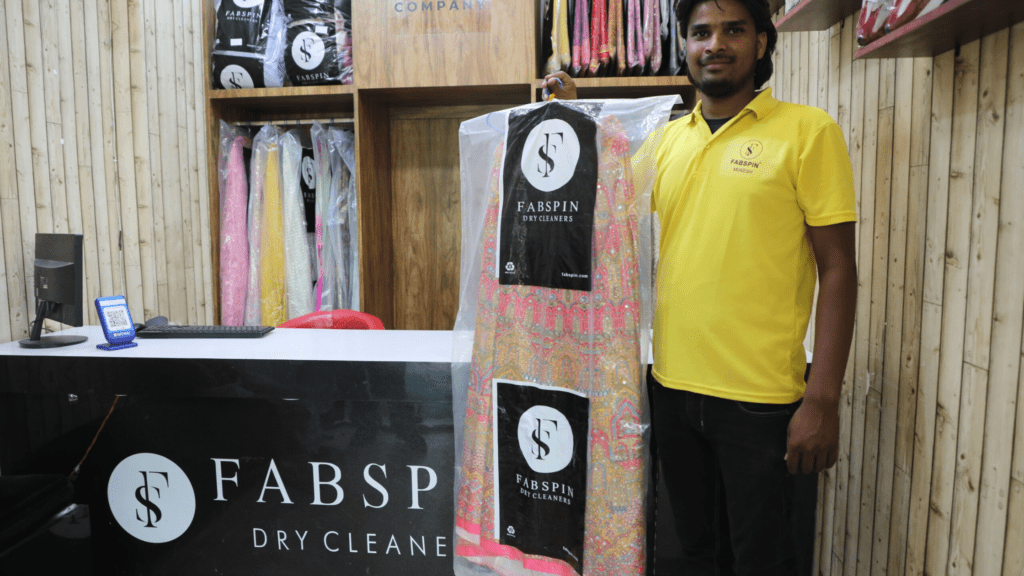
Your lehenga is more than just a dress — it’s a masterpiece of vibrant colors, intricate embroidery, and fine craftsmanship that deserves the utmost care. While it’s always best to trust Professional Dry Cleaners in Delhi or the Best Dry Cleaners in Delhi for expert care, there are times when a do-it-yourself approach can be both practical and effective. Don’t worry! With the right techniques and gentle handling, dry cleaning your lehenga at home can help preserve its beauty and brilliance. Here’s your complete guide to keeping your exquisite outfit looking as stunning and brand new as the day you bought it. Recognising the Fabric of Your Lehenga It’s important to know the fabric of your lehenga before beginning the dry cleaning process. Various fabrics demand distinct maintenance, and a universal solution may have unintended consequences. If you are unsure of the fabric of your lehenga, check the care label or conduct a brief internet search. Cotton, silk, velvet, and georgette are examples of common textiles. Compile Your Materials 1. Gentle Cleaner Choose a mild detergent that won’t harm your clothes. Strong detergents and bleach should not be used since they can harm your lehenga’s delicate fibers. 2. Chilled Water When it comes to keeping your lehenga’s color and texture intact, cold water is your friend. Hot water has the potential to harm some textiles and causes colors to bleed. 3. A gentle cloth or brush Use a soft brush or cloth to dab or massage the soiled area lightly when doing any spot cleaning. To avoid damage, do not scrape too hard. 4. White Balm If your lehenga has an odour, white vinegar can be your saving grace. For the last rinse, add a cup of white vinegar to help neutralise any residual odours. 5. Swelling Towels Keep soft, absorbent towels handy to dab away any remaining moisture from your lehenga. The cloth may get twisted or wrung out, which will change its shape. 6. Laundry bag mesh To preserve any delicate stitching or embellishments on your lehenga after washing, think about putting it in a mesh laundry bag. Spot Cleaning: How to Handle Stains Determine the Spot: Ascertain the sort of stain you are working with because various stains could need different treatments. Take immediate action to stop the stain from settling. Light Dabbing: Use a sponge or soft cloth to blot the stain gently. Steer clear of rubbing as this could exacerbate the stain and rip the fabric. Gentle Cleaning Solution: To make a soapy solution, use a tiny amount of mild detergent with cold water. Using a fresh cloth, gently dab the stained area after applying the solution. Thoroughly Rinse Use cold water to rinse the stained area in order to get rid of any soap residue. Examine the stain and repeat the procedure if needed. Hand Cleaning Your Saree Fill a basin or bathtub: Pour cold water into a sanitized tub or basin. Make sure there’s sufficient water to submerge your lehenga completely. Use a Light Detergent: To the water, add a tiny bit of mild detergent. In order to make a mild soap solution, swirl the water. Immerse Your Gown: To make sure the entire lehenga is soaked, submerge it in the soapy water and gently press it down. Modest Excitation: To simulate the mild cycle of the washing machine, gently stir the water with your hands. Take a Dip: Give your lehenga ten to fifteen minutes to soak. During this period, use your fingertips to gently rub any dirty areas. Thoroughly Rinse Replace the tub’s water with fresh, cold water after draining the soapy water. To remove the detergent, gently stir the water. If necessary, repeat: Rinse your lehenga again until the water flows clear if it still feels soapy. Drying Your Lehenga to Get Rid of Extra Water: Wring or twist your lehenga; instead, gently press the water out. To absorb more moisture, lay your lehenga on a fresh, dry towel and roll it up. Laying Flat: Spread out your lehenga on a fresh, dry cloth. After reshaping it to its original shape, let it air dry. Stay out of the direct sun: Direct sunshine can degrade colours, even though it can aid in drying. Select an indoor or shaded drying area. Suspended Options: To save the shape of your richly embroidered lehenga, think about putting it on a padded hanger. Keep it away from sources of heat: Keep your lehenga away from radiators and heaters as heat can deteriorate some types of fabric. Final Details: Steam Remove Wrinkles: To gently remove any wrinkles from your lehenga, use a handheld steamer. To avoid making direct contact with the fabric, keep a safe distance. Gentle Ironing: If ironing is required, use the lowest heat setting and shield your lehenga from direct contact with the iron by placing a clean towel between them. Holding: When your lehenga is totally dry, put it in a fresh cotton sheet to keep it dust-free or store it in a breathable garment bag. You may take the necessary care of your lehenga without having to hire a dry cleaner by following these procedures. Recall that maintaining the elegance of your festive dress requires time and cautious handling. Sustaining Lehenga Brilliance Over Time Frequent Examinations: Check your lehenga frequently for any loose threads, missing embellishments or wear indicators. By taking care of these problems right once, you can avoid more harm and maintain the flawless appearance of your clothing. Care Specific to Fabric: Various textiles require varying levels of attention. Learn about the particular requirements of the fabric—cotton, silk, georgette, or velvet—that makes up your lehenga. With this knowledge, you may be sure to use the best cleaning and maintenance methods. Occasional Professional Cleaning: Although home maintenance is great, professional dry cleaning can occasionally provide a deeper clean. Expert cleaners know how to take care of delicate materials and elaborate decorations, so your lehenga will get a thorough cleaning without losing its integrity. Emergency Advice for Frequently Occurring Colour Bleeding: Stop washing your hands