Fabspin

Blog

Каким образом антиципация превращает ожидание комфортным

Каким образом антиципация превращает ожидание комфортным Антиципация является удивительную характеристику человеческой психологии, умеющую трансформировать рядовое период ожидания в причину радости и наслаждения в вулкан россия казино. Указанный принцип дает возможность нам получать удовольствие не только от самого происшествия в вулкан россия, но и от хода готовности к нему. Понимание природы ожидания открывает свежие шансы для улучшения уровня жизни и психологического благополучия. Биохимия антиципации: дофамин в процессе выжидания Дофаминовая система осуществляет основную роль в формировании положительных чувств в вулкан россии во время предвкушения ожидаемого события. Эксперименты показывают, что головной мозг приступает интенсивно синтезировать дофамин еще до достижения награды, генерируя атмосферу блаженства и ожидания. Мозговые структуры, соединенные с ожиданием, запускаются в передней цингулярной коре и брюшной зоне покрышки. Указанные структуры головного мозга формируют прогнозы и производят модели грядущих опытов. Примечательно, что сила дофаминового отклика часто обгоняет реакцию на само событие. Механизм антиципации также сказывается на образование устойчивой мнемонических процессов. Чувственно насыщенные воспоминания от vulkan russia о этапе предвкушения сохраняются более ярко и детально, формируя позитивные связи с ходом предвкушения. Наслаждение от мечты: фантазия как причина счастья Фантазия служит сильным инструментом для создания радостных переживаний в вулкан россия в течении предвкушения. Способность мысленно конструировать будущие события позволяет человеку переживать позитивные чувства намного раньше до их действительного возникновения. Психические исследования выявляют, что подробная планирование грядущих моментов в представлении увеличивает мощность антиципации от вулкан россии. Люди, которые посвящают момент мысленному проектированию и представлению грядущих приятных мгновений, испытывают более интенсивные положительные чувства. Формирование ментальных планов грядущих происшествий Чувственная подготовка будущих впечатлений в vulkan russia Формирование позитивных предположений через воображение Совершенствование творческого мышления в течении грезы Фантазия также содействует справляться с неясностью будущего, генерируя иллюзию управления над ситуацией. Ментальное моделирование различных вариантов протекания событий снижает беспокойство и увеличивает убежденность в положительном результате в вулкан россия. Растянутое удовольствие от вулкан россии: по какой причине ожидание продлевает радость Темпоральная организация блаженства в vulkan russia показывает, что антиципация существенно расширяет временные пределы положительных впечатлений. Взамен кратковременного удовольствия от самого момента человек обретает способность наслаждаться им на в течение всего этапа предвкушения. Научные работы в направлении гедонистической приспособления поясняют, по какой причине пролонгированное во времени удовольствие становится более стабильным к приспособлению. Поэтапное увеличение антиципации дает возможность головному мозгу продолжительнее удерживать реактивность к благоприятным раздражителям. Явление пролонгированного блаженства в особенности выразительно проявляется в рамках составления планов каникул, покупки желаемых вещей или ожидания свидания с родными личностями. Этап подготовки превращается существенной частью общего опыта, наполняя его новыми содержанием и переживаниями. Психология веры: позитивные сценарии будущего Упование составляет познавательно-чувственный образование, который трансформирует безразличное предвкушение в причину положительных переживаний. Этот психологический принцип основан на вере в возможность достижения желаемых задач и способности справляться с трудностями на дороге к ним. Учение упования Снайдера определяет три ключевых компонента: стремления, пути их обретения и действенность – убежденность в индивидуальные умения. Сочетание этих элементов генерирует устойчивый оптимистический настрой, который сохраняет позитивное восприятие времени предвкушения. Благоприятные схемы будущего, образуемые верой, активируют префронтальную область и участки мозга, отвечающие за планирование и постановку целей. Указанный ход не только создает приятные психологические переживания, но и стимулирует конструктивную активность, направленную на осуществление ожидаемого. Ожидание как мотиватор: сила для преодоления сложностей Мотивационная роль антиципации выражается в способности сохранять целенаправленное активность даже в условиях трудностей и неопределенности. Яркое видение о ожидаемом финале создает мощный толчок для справления с текущих препятствий и поддержания прогресса к цели. Антиципация включает механизмы награды в мозге, создавая состояние подготовленности к активности. Дофаминовые каналы, соединенные с стимулированием и постановкой целей, приобретают дополнительную активацию от представлений грядущего достижения. Создание устойчивой мотивации через представление итога Сохранение мощи и рвения в процессе получения цели Справление с временных неудач за счет фокусу на грядущем Совершенствование настойчивости и решительности Эксперименты показывают, что сила антиципации непосредственно связана с уровнем мотивации и желанием прикладывать усилия. Индивиды, которые ярко видят себе ожидаемые финалы, показывают усиленную стойкость и изобретательность в решении возникающих вопросов. Идеальная протяженность выжидания: в какой момент антиципация наивысше Исследования временной динамики ожидания выявили существование оптимального времени ожидания, при котором позитивные переживания обретают предельной интенсивности. Слишком быстрое ожидание не дает возможность в полной степени развиться антиципации, в то время как чрезмерно длительное может склонить к угасанию внимания или развитию беспокойства. Идеальная длительность предвкушения обусловлена от ряда составляющих, содержа разновидность происшествия, персональные особенности личности и окружающие условия. Для большинства благоприятных событий лучший время предвкушения образует от нескольких суток до ряда семидневных периодов. Важную функцию выполняет также структурирование этапа предвкушения. Деление длительного выжидания на более быстрые стадии с средними задачами способствует сохранять постоянный уровень ожидания. Этот метод избегает психологическое истощение и сохраняет стимулирование на всем течении пути к долгожданной цели. Различие между волнительным и радостным предвкушением Принципиальное разница между тревожным и положительным выжиданием состоит в характере предсказываемых происшествий и методе их понимания. Положительное ожидание концентрируется на благоприятных сторонах грядущего, создавая ожидание наслаждения и довольства. Беспокойное выжидание, напротив, сосредотачивается на потенциальных рисках и неблагоприятных финалах. Нейрофизиологические фундаменты указанных состояний также различаются. Положительное ожидание запускает нейромедиаторные пути поощрения и участки мозга, ассоциированные с благоприятными чувствами. Тревожное предвкушение запускает напряженные структуры, содержа выброс гормона стресса и включение амигдалярного тела. Основным элементом, устанавливающим природу выжидания, является степень влияния над обстоятельствами и вера в положительном финале. Познавательные методы, ориентированные на пересмотр неясных положений в положительном контексте, умеют преобразовывать волнительное выжидание в положительное антиципацию.

Blog

Почему переживания важнее информации

Почему переживания важнее информации В нынешнем обществе общепринято считать, что рациональное мышление и последовательный разбор информации являются базисом верных выборов. Однако многочисленные исследования в области неврологии и поведенческих наук доказывают иное: переживания в 1win официальный сайт имеют более важную задачу в нашей деятельности, чем холодные сведения и статистика. Осознание этого принципа способствует прояснить немало сторон людского поступков и общения в социуме. Эволюция эмоционального мышления: первобытный механизм существования Чувственная структура индивида развивалась на протяжении миллионов лет эволюции, когда мгновенное ответ на угрозу было проблемой жизни и смерти. Наши прародители, которые умели немедленно почувствовать тревогу при появлении врага, имели больше возможностей на существование, чем те, кто расходовал время на разумный оценку ситуации. Эта старинная механизм до сих пор активно работает в нашем сознании, принуждая нас делать решения на базе эмоций гораздо систематичнее, чем мы думаем. Лимбическая структура, отвечающая за аффективные реакции в 1вин, образовалась значительно прежде префронтальной коры, которая несет ответственность за разумное понимание. Это раскрывает, почему аффективные побуждения часто опережают логические соображения. Миндалевидное тело, ключевая структура эмоциональной системы, может запускаться за части секунды, активируя серию телесных и поведенческих реакций еще до того, как сознательный разум будет способен проанализировать данные. Актуальные нейробиологические исследования демонстрируют, что индивиды с нарушениями аффективных областей сознания сталкиваются с серьезные трудности в принятии решений, даже самых элементарных. Это раскрывает, что чувства не просто “препятствуют” рациональному пониманию, а представляют обязательным элементом успешного вынесения решений. Стремительность переработки: чувства в 1 win реагируют оперативнее разума В числе основных преимуществ эмоционального восприятия выступает его удивительная скорость. Эмоциональная отклик появляется примерно за 125 мгновений, в то время как разумный изучение требует намного больше времени. Эта различие в быстроте переработки сведений раскрывает, почему первое восприятие от 1win так важно и почему люди часто действуют необдуманно, не ждав целостного изучения обстановки. Мозговые тракты, связывающие сенсоры с эмоциональными центрами головного мозга, намного краткосрочнее и быстрее, чем те, которые ведут к областям, несущим ответственность за рациональное мышление. Информация может достичь амигдалы за один переход от таламуса, в то время как для активации лобной коры нужно ряд добавочных шагов анализа. Эта черта сознания обладает реальное значение в обычной деятельности. Когда мы встречаем незнакомого личность, выбираем изделие или определяем место для отдыха, чувственная анализ случается мгновенно, а рациональное объяснение часто появляется после. Изучения демонстрируют, что индивиды могут определить свое позицию к незнакомому человеку всего за 100 долей секунды взаимодействия, основываясь исключительно на эмоциональном восприятии. Чувственная хранение: почему мы помним чувства от 1вин, а не числа Эмоционально насыщенные воспоминания от 1 win сохраняются в голове гораздо дольше и отчетливее, чем скучные данные и цифровые данные. Это происходит благодаря близкой соединению между аффективными центрами мозга и гиппокампом, который несет ответственность за образование длительной запоминания. Когда событие в 1win окрашивается глубокими чувствами, в голове производятся биоактивные соединения, укрепляющие механизм запоминания. Адреналин и нейромедиатор, образующиеся в время эмоционального активации от 1вин, стимулируют миндалевидное тело, которая в результате активизирует центр памяти к более эффективному кодированию информации. Это поясняет, почему мы до мелочей запоминаем свой начальный интимное переживание, время бракосочетания или время узнавания важных сведений, но с трудом вспоминаем в сознании цифровые данные или формулы, изученные в учебном заведении. Эмоциональные воспоминания от 1 win запускают больше регионов головного мозга синхронно Глубокие эмоции создают более прочные нейронные связи Чувственная память часто включает чувственные подробности (запахи, звуки, осязательные восприятия) Регулярное ощущение эмоций укрепляет соответствующие воспоминания Специалисты по продвижению деятельно используют этот подход, создавая маркетинговые мероприятия, которые стимулируют чувственный отклик у потребителей. Бренды, которые эффективно ассоциируются с позитивными переживаниями, такие как 1win, фиксируются лучше и образуют более лояльную публику, чем те, которые предпринимают ставку только на логические плюсы своих продуктов.

Blog

How to Remove Oil Stains from Clothes

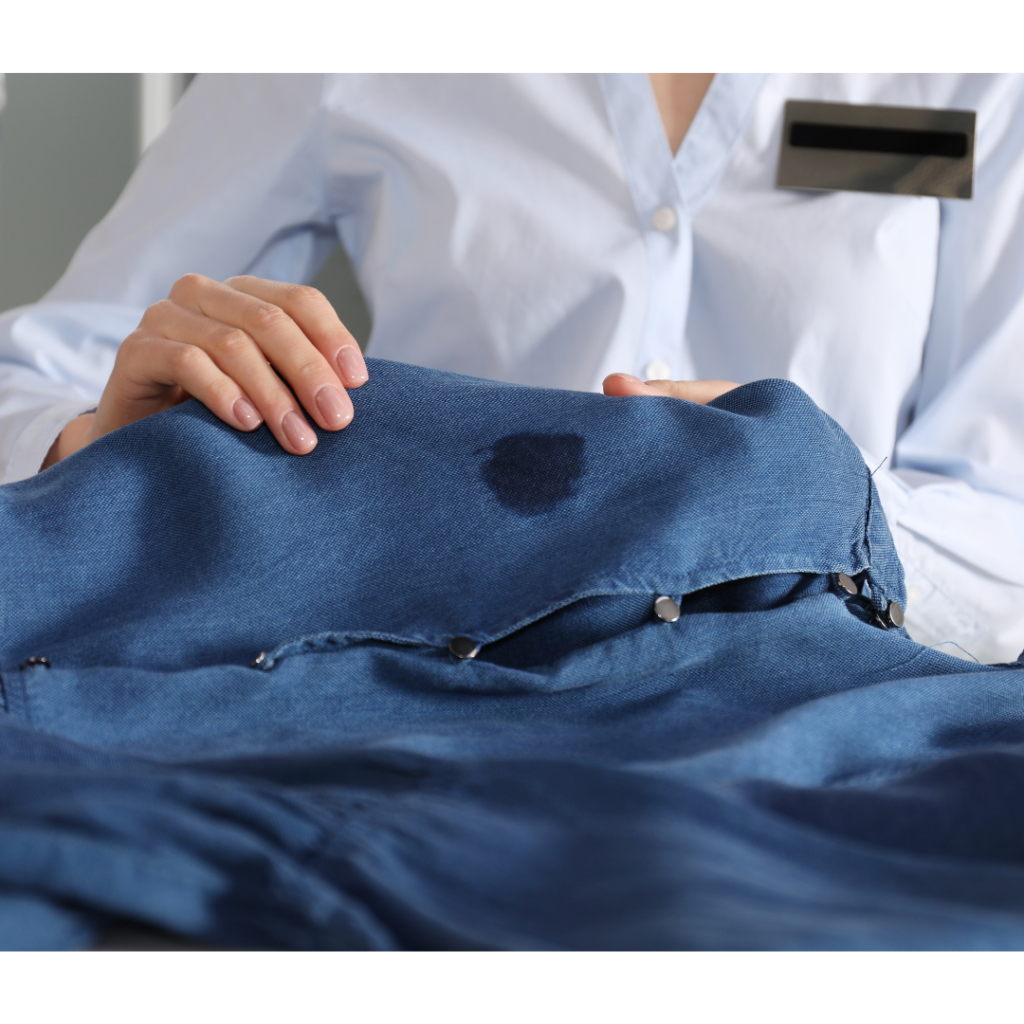
Introduction: Tackling Oil Stains on ClothesOil stains are some of the most stubborn marks you can find on clothing. Whether you’re cooking, working on your car, or handling greasy food, oil stains can quickly make your favorite garments look messy and worn. Fortunately, there are several ways to remove oil stains from clothes, and with the right techniques, you can restore your items to their original condition.In this blog, we’ll walk you through some of the best methods for removing oil stains from different fabrics, both at home and with professional help from Fabspin. How to Remove Oil Stains from Clothes1. Blot, Don’t RubAs soon as you notice an oil stain, it’s important to act fast. Use a paper towel or cloth to blot the stain gently. Avoid rubbing, as this can spread the stain further into the fabric fibers.2. Apply Dish Soap or Liquid DetergentDish soap is great for breaking down grease and oil. Apply a small amount directly to the stain and gently work it into the fabric with your fingers or a soft brush. For Liquid Detergent: If you don’t have dish soap, a gentle liquid detergent can work as well. Apply it in the same way. 3. Let It SitAllow the soap to sit on the stain for 5-10 minutes to break down the oil. Don’t let it dry out completely, as it may be harder to remove.4. Wash NormallyAfter the oil has been treated, wash the garment in the warmest water safe for the fabric. This helps to further remove the oil residue.5. Check Before DryingBefore drying the item, check to ensure that the stain has been completely removed. If the stain persists, repeat the process before putting the clothing in the dryer, as heat can set the stain. When Oil Stains Won’t BudgeSome oil stains can be stubborn, even after several attempts to remove them. In such cases, Fabspin’s professional stain removal services can help. Our experts know how to treat tough stains with specialized cleaning techniques, ensuring your clothes come back looking like new. FAQ Can I remove oil stains after they’ve been washed? Yes, it’s possible to remove oil stains even after washing, but it’s best to treat the stain as soon as it happens for the best results.What if I don’t have dish soap? If you don’t have dish soap, a liquid laundry detergent can also help break down the grease. You can apply it directly to the stain before washing.Can oil stains be removed from delicate fabrics? Yes, oil stains can be removed from delicate fabrics, but extra care should be taken when applying any cleaning agents. Always test a small area first.Will oil stains come out after drying? Oil stains are more difficult to remove once the fabric has been dried. It’s best to treat the stain before drying. Divaspin Casino Review And Free Chips Bonus However, reapplying detergent and re-washing can still help remove the stain. Conclusion: Keep Your Clothes Looking FreshOil stains don’t have to ruin your favorite clothes. With the right tools and techniques, you can remove oil stains quickly and effectively. Whether you’re dealing with a small stain or a more persistent mark, Fabspin is here to help with professional cleaning services designed to keep your clothes looking their best.
Blog

How to Remove Stains from White Shirt Collars

Introduction: The Challenge of White Shirt Collars White shirts are timeless staples in every wardrobe, but they come with a common challenge—keeping them looking clean. Collar stains are especially tricky to tackle since the fabric around the neck is more prone to oils, sweat, and dirt. If you’ve ever struggled with stubborn stains on your white shirt collars, you’re not alone. At Fabspin, we understand how important it is to keep your shirts looking crisp, clean, and fresh. How to Withdraw Funds Using eCheck at Online Casinos? In this guide, we’ll share some tried-and-tested methods for removing stubborn stains from white shirt collars using simple at-home remedies and expert professional techniques. Whether you’re relying on Professional Dry Cleaners in Delhi or searching for the Best Dry Cleaners in Delhi, these tips will help you maintain your shirts in pristine condition, ensuring you always look sharp and confident. Step-by-Step Guide to Removing Stains from White Shirt Collars 1. Pre-Treating the Stains Before washing your shirt, it’s important to treat the collar stains directly. Use a Stain Remover: Apply a gentle stain remover directly to the collar stains. Look for products that are safe for delicate fabrics like cotton or linen. DIY Solution: If you prefer natural remedies, create a paste by mixing baking soda and water. Apply this paste to the stained area and let it sit for 15-20 minutes before scrubbing gently with a soft toothbrush. 2. Soak in Warm Water After pre-treating the stains, soak the shirt in warm (not hot) water. This will help to loosen any dirt and oils embedded in the fabric. Add a small amount of detergent to the water to enhance the cleaning power. Let the shirt soak for 30-45 minutes. 3. Wash Normally Once the shirt has soaked, wash it as usual. You can either hand wash or machine wash, depending on the care instructions for the fabric. For Machine Washing: Use a gentle cycle with cold or lukewarm water to avoid shrinking or damaging the fabric. For Hand Washing: Wash the shirt gently with a mild detergent. 4. Dry with Care After washing, always air dry your white shirt, especially the collar. Avoid direct heat sources, which can set stains. Instead, lay it flat on a towel or hang it up to dry. Preventing Stains on White Shirt Collars Preventing stains from forming in the first place is key to maintaining a clean shirt. Here are a few tips: Wear an Undershirt: Wearing a thin undershirt can help absorb sweat and oils before they transfer to your collar. Use a Collar Protector: There are collar protectors available that can be attached to the shirt to prevent oils and dirt from building up. Regularly Wash Shirts: The more frequently you wash your shirts, the less time stains have to set. This helps keep your white shirts looking fresh for longer. When to Seek Professional Help While home remedies and DIY methods can be effective for minor stains, sometimes persistent stains require professional care. At Fabspin, we use high-quality detergents and advanced techniques to remove stains without damaging your shirt. Our team is experienced in treating all types of stains and fabrics, ensuring your shirts stay spotless. FAQ How can I prevent collar stains on my white shirts? To prevent stains, consider using a collar protector, wearing an undershirt, or applying a fabric stain guard to protect the collar from oils and dirt. What’s the best method to remove yellow stains from shirt collars? A paste of baking soda and water can effectively remove yellow stains. Best Mobile PayPal Casino UK Apply the paste, let it sit for 15-20 minutes, and then scrub gently. Can I use bleach to remove stains from my white shirt collar? Bleach can sometimes be too harsh for fabrics and can weaken the fibers. Opt for gentler stain removers or natural remedies first. What if the stain won’t come out after washing? If the stain persists, try re-treating the area with stain remover before washing again. For tough stains, professional dry cleaning may be necessary. Conclusion Stains on white shirt collars don’t have to be a permanent problem. With the right pre-treatment methods, soaking techniques, and proper washing care, you can easily keep your shirts looking crisp and spotless. For tougher or deeply set stains, Fabspin’s expert cleaning services offer a reliable and professional solution to maintain your wardrobe’s freshness. Whether you’re looking for Professional Dry Cleaners in Delhi or the Best Dry Cleaners in Delhi, Fabspin ensures your clothes receive the premium care they deserve for long-lasting brilliance.
Blog

How to Wash Wool Sweaters – The Complete Guide

Introduction: Caring for Your Wool Sweater Wool sweaters are a staple of any cozy wardrobe, especially in colder weather. However, wool is a delicate fabric, and proper care is essential to maintain its softness, prevent shrinkage, and avoid unsightly pilling. Whether you prefer the manual approach of hand washing or the convenience of machine washing, understanding the best methods for cleaning wool sweaters is key to extending their life. At Fabspin, we offer specialized care for wool garments, ensuring that your sweaters stay in pristine condition with every wash. In this guide, we’ll walk you through the right techniques for washing wool sweaters to keep them looking fresh for years to come. How to Hand Wash Wool Sweaters Hand washing is the gentlest way to clean wool sweaters. Here’s a step-by-step process for achieving the best results: How to Machine Wash Wool Sweaters While hand washing is the safest method for wool, modern washing machines often have gentle cycles specifically designed for delicate fabrics. If you prefer using your washing machine, follow these steps: Common Mistakes to Avoid When Washing Wool Sweaters Why Fabspin is the Best Choice for Wool Care At Fabspin, we specialize in providing professional cleaning services for all types of delicate fabrics, including wool. Our expert team ensures that your wool sweaters are treated with the utmost care, whether you prefer hand washing or machine washing. We use eco-friendly detergents and cutting-edge technology to ensure your garments remain soft, fresh, and in top condition. FAQ Conclusion: Keep Your Wool Sweaters Looking New Whether you choose to hand wash or machine wash, following the right steps will ensure your wool sweaters stay soft, comfortable, and long-lasting. For those who prefer hassle-free care, Fabspin is here to help with professional laundry services that cater to all your wool care needs.
Blog

Dry Iron vs Steam Iron – Which Is Better?

Introduction: Understanding the Basics of Dry Iron vs Steam Iron Ironing is an essential part of garment care, ensuring your clothes remain smooth, crisp, and fresh. With the variety of irons available, it can be tough to decide whether a dry iron or a steam iron is right for your needs. Both offer unique advantages depending on the types of fabrics you’re dealing with, the time you have available, and your ironing preferences. At Fabspin, we understand how important the right ironing technique is for maintaining your wardrobe, so we’ve explored the pros and cons of both dry and steam irons to help you choose the best option. What Is a Dry Iron? A dry iron is the traditional, classic iron that heats a solid metal plate to high temperatures and presses it against the fabric. Unlike a steam iron, it doesn’t have a water tank to release moisture. This type of iron is best for fabrics that require controlled heat without the extra steam. Pros of a Dry Iron: Cons of a Dry Iron: What Is a Steam Iron? A steam iron is a modern alternative that combines heat with steam to effectively remove wrinkles from fabric. The iron has a water tank and produces steam that is released through holes in the soleplate. This moisture helps loosen the fibers, making the process faster and more efficient. Pros of a Steam Iron: Cons of a Steam Iron: Key Differences Between Dry and Steam Irons Feature Dry Iron Steam Iron Operation Soleplate heating only Steam + heated soleplate Best For Delicate fabrics like silk Heavy fabrics like linen, cotton Ease of Use Simple, easy to control More complex, requires water filling Weight Light Heavier due to water tank Maintenance Low Higher maintenance required Wrinkle Removal Good for light wrinkles Excellent for tough wrinkles Which One Should You Choose: Dry or Steam Iron? Deciding which iron is best for you ultimately depends on your ironing needs. Here’s a handy guide: How Fabspin Enhances Your Ironing Experience At Fabspin, we take the guesswork out of garment care with our professional ironing services. Our team uses advanced steam technology to ensure your clothes are perfectly pressed, whether you’re dealing with delicate fabrics or thick linens. Let us take care of your ironing so you can focus on what really matters. With Fabspin, your clothes are handled by professionals who understand the intricacies of each fabric. We provide comprehensive garment care services, including washing, drying, and ironing, ensuring every garment looks as good as new. When you trust us with your laundry, you’re opting for impeccable results and absolute convenience. FAQ Conclusion: Dry vs. Steam Iron – Which One Wins? Both dry and steam irons have their benefits, but the right choice depends on your ironing preferences and fabric types. Dry irons are ideal for delicate fabrics and precision, while steam irons shine when it comes to efficiently tackling tough wrinkles. Whichever iron you choose, Fabspin ensures your clothes are always perfectly pressed with professional care.

Blog

How To Remove Oil Stains From Clothes

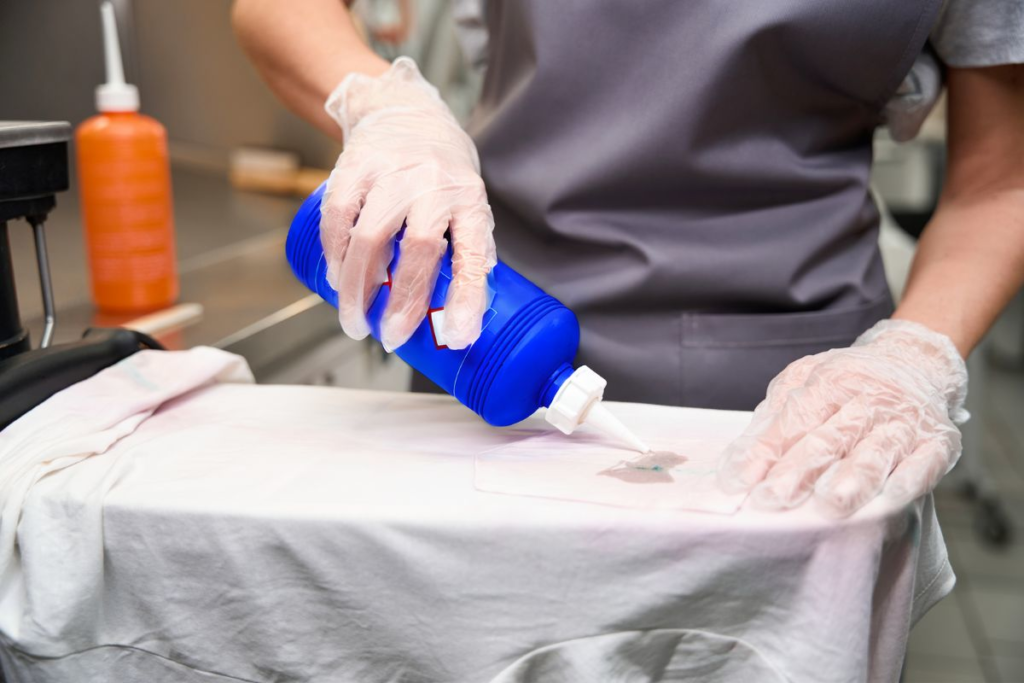
Oil stains can be frustrating, but don’t worry—they’re not impossible to tackle. Whether it’s a splash of cooking oil or a grease spot from fixing your bike, removing these stains can save your favorite outfits from the donation pile. In this guide, we’ll explore step-by-step techniques to remove oil stains and answer common questions like, “Are oil stains on clothes permanent?” and “Can you remove oil stains from clothes after washing?” Why Oil Stains Are Tough to Remove Oil stains cling to fabric fibers because oil is hydrophobic, meaning it repels water. Unlike water-based stains, oil doesn’t dissolve easily, making traditional washing methods ineffective. That’s why a specialized approach is necessary. Essential Supplies for Removing Stains Here’s what you’ll need: These items are household staples, so there’s no need for expensive cleaners. 1: Act Quickly Did you know that the longer a stain sits, the harder it is to remove? Imagine oil as a guest overstaying its welcome. The sooner you address it, the easier it will be to kick out. 2: Blot, Don’t Rub Gently blot the stain with a paper towel or clean cloth. Avoid rubbing, as this can push the oil deeper into the fabric fibers. Think of blotting as a gentle pat on the back rather than a rough shove. 3: Apply Absorbent Powders Sprinkle baking soda or cornstarch generously over the stain. These powders act like little sponges, soaking up the oil. Leave it for at least 30 minutes—longer for heavier stains—then brush it off. 4: Pretreat the Stain Apply a few drops of dish soap directly onto the stain. Dish soap is a grease fighter in your kitchen and works wonders on clothes too. Use a toothbrush to gently scrub the area in a circular motion. If you’re dealing with delicate fabrics, be extra gentle. 5: Wash With Care Wash the garment in warm water using your regular laundry detergent. If the fabric’s care label allows, warm water can help break down oil residues. Check the stain before drying; heat can set the stain permanently. Removing Old Oil Stains Old stains require a bit more effort, but they’re not a lost cause. Start by reapplying baking soda or cornstarch, then follow up with dish soap and warm water. You may need to repeat the process several times. Can You Remove Oil Stains After Washing? Yes, it’s possible! If you notice a stain after washing, don’t panic. Reapply dish soap or a specialized stain remover, let it sit, and rewash the garment. Avoid drying it until the stain is fully gone. Preventing Future Oil Stains Prevention is the best cure. Wear an apron while cooking or handling greasy tasks. For grease-prone jobs, opt for dark or stain-resistant clothing. Conclusion Removing oil stains from clothes doesn’t have to be a headache. With the right tools and techniques, you can rescue your garments and extend their lifespan. Remember, acting quickly and following these steps can make all the difference. FAQs 1. Are oil stains on clothes permanent? No, oil stains aren’t permanent if treated promptly and correctly. Acting quickly improves your chances of complete removal. 2. How do you get oil stains out of clothes without washing them? You can blot the stain, apply absorbent powders like baking soda, and gently brush it off. This method is useful for dry-clean-only fabrics. 3. Can old oil stains be removed? Yes, old stains can be treated using absorbent powders, dish soap, and repeated washing. Patience and persistence are key. 4. Does hot water set oil stains? Hot water can set oil stains if not pretreated. Always pretreat the stain before exposing it to heat. 5. Is dish soap safe for all fabrics? Dish soap is generally safe, but always test it on a small, inconspicuous area first, especially for delicate fabrics like silk or wool. By following these tips, you’ll never have to worry about oil stains ruining your wardrobe again!

Blog

How to Remove Stains from a White Shirt Collar

White shirts are classic wardrobe staples, but they’re also magnets for unsightly stains, especially around the collar. Whether it’s sweat, makeup, or dirt, collar stains can ruin the crisp look of your shirt. The good news? With a little effort and the right techniques, you can restore your white shirt to its pristine condition. Understanding Collar Stains Collar stains are typically caused by a mix of sweat, skin oils, and dirt that accumulate over time. These stains can be stubborn because they’re set into the fabric by body heat. Understanding the cause is the first step to finding the right solution. Pre-Treatment Essentials Before diving into specific methods, gather these essential supplies: Having these items ready will make the stain-removal process more efficient. 1: Baking Soda Paste Baking soda is a gentle yet effective cleaning agent that works wonders on stains. 2: Vinegar and Water White vinegar is a natural stain remover that breaks down dirt and grease. 3: Dish Soap Solution Dish soap is designed to cut through grease, making it an excellent choice for collar stains. 4: Hydrogen Peroxide Hydrogen peroxide is a powerful stain remover for white fabrics but should be used cautiously. 5: Commercial Stain Removers If home remedies don’t do the trick, commercial stain removers can be your backup. Tips for Persistent Stains Preventing Collar Stains An ounce of prevention is worth a pound of cure. Here are some tips to keep your collars clean: FAQs on Removing Collar Stains 1. How do you remove old stains from a white shirt collar? For old stains, try soaking the collar in a mixture of baking soda and hydrogen peroxide before scrubbing and washing. 2. Can I use bleach on white shirts? Yes, but only on 100% white cotton fabrics. Avoid using bleach on shirts with patterns or delicate fabrics. 3. What is the fastest method for removing stains? Using a dish soap solution is quick and effective for light stains. 4. Are there natural alternatives to commercial stain removers? Yes, baking soda, vinegar, and lemon juice are excellent natural alternatives. 5. How can I prevent sweat stains on my collar? Wear undershirts, use antiperspirant, and wash your shirts promptly to prevent sweat stains from setting. By following these simple tips and tricks, you can say goodbye to pesky collar stains and keep your white shirts looking as good as new. Give these methods a try and enjoy the confidence of a spotless wardrobe!

Blog

How To Wash Wool Sweaters

Keeping your wool sweaters clean can feel tricky, but it’s simpler than you might think. Whether you’re handwashing or using a machine, with a few careful steps, you can ensure your sweaters stay soft, cozy, and looking new. Let’s dive into the process. Why Proper Care Matters Wool is a natural fiber that requires gentle handling. Washing your wool sweaters correctly not only preserves their softness and shape but also extends their lifespan. Improper washing can lead to shrinkage, stretching, or damage to the fibers. Materials You Will Need Before you start, gather these essentials: A gentle wool detergent A clean sink or basin Towels for drying Access to a washing machine with a wool or delicate setting (if using) Hand Wash Wool Sweaters Preparing for Hand Washing Handwashing is one of the best ways to clean wool sweaters. Start by checking the care label on your sweater. Winner Casino Fill a clean sink or basin with lukewarm water and add a small amount of wool detergent. Step-by-Step Hand Washing Submerge the sweater in the water and gently swirl it for about 5 minutes. Avoid rubbing or wringing the fabric. Rinse the sweater thoroughly with cool, clean water to remove detergent. Gently press out excess water without twisting. Lay the sweater flat on a towel, roll it up, and press lightly to absorb water. Reshape the sweater and lay it flat to dry on a clean surface. Machine Wash Wool Sweaters Choosing the Right Settings Modern washing machines often have settings specifically designed for wool. Use the delicate or wool cycle, which minimizes agitation and uses cooler water. Using a Wool Detergent Opt for a detergent formulated for wool to protect its natural fibers. Avoid regular detergents that can be too harsh. Tips for Machine Washing Place the sweater in a mesh laundry bag for added protection. Use cold water and avoid the spin cycle if possible. Drying Wool Sweaters Proper drying is crucial to prevent stretching or shrinking. After pressing out excess water with a towel, lay the sweater flat to dry. Avoid hanging it, as this can cause the sweater to lose its shape. Avoiding Shrinkage Shrinkage happens when wool fibers are exposed to heat or excessive agitation. Always use cold water and gentle handling to maintain the sweater’s original size. Storing Wool Sweaters Store your sweaters folded in a cool, dry place. Avoid hanging them, as this can stretch the fibers over time. Adding cedar blocks or lavender sachets can help keep moths away. Common Mistakes to Avoid Using hot water or a regular detergent Wringing or twisting the sweater Drying in direct sunlight or using a dryer Benefits of Wool Sweaters Wool is a sustainable, breathable, and naturally insulating material. Caring for your sweaters properly ensures you enjoy these benefits for years to come. Conclusion and Final Tips Washing wool sweaters might seem daunting, but with these simple steps, you can keep them clean and cozy without any fuss. Always read the care label, use gentle products, and handle your sweaters with care. FAQs 1. Can you machine wash all wool sweaters? Not all wool sweaters are machine washable. Check the care label for specific instructions. 2. How often should I wash my wool sweaters? Wash them only when necessary—usually after several wears unless they are visibly dirty. 3. Can I use regular detergent for wool? No, regular detergent can damage wool fibers. Use a detergent specifically designed for wool. 4. What should I do if my sweater shrinks? You can try gently stretching it back to its original size while damp, but results may vary. 5. How do I remove stains from wool sweaters? Spot treat stains with a gentle wool detergent before washing.

Blog

Dry Iron vs. Steam Iron – Which Is Better?

Introduction When it comes to keeping your clothes wrinkle-free, the right iron can make all the difference. But with so many options available, choosing between a dry iron and a steam iron can be confusing. Which is better for your needs? Let’s break it down and help you make the best choice for your ironing routine. 1. What Is a Dry Iron? A dry iron is a simple appliance designed solely to press wrinkles out of clothes. It uses heat and a flat soleplate to smooth fabric. Dry irons do not have a water tank or steam function, making them lightweight and straightforward to operate. They are ideal for fabrics that require a dry press, like silk or polyester. 2. What Is a Steam Iron? A steam iron, as the name suggests, comes with a built-in water tank that generates steam. Casino: Catalog of Games The steam helps to relax fabric fibers, making it easier to remove wrinkles, especially from heavier materials like cotton or linen. Latest No Deposit Codes For Existing Players – Vegashero Steam irons are versatile and can also be used as dry irons by simply turning off the steam function. 3. Key Differences Between Dry and Steam Iron Feature Dry Iron Steam Iron Steam Function No Yes Weight Lightweight Heavier due to water tank Versatility Limited to dry pressing Suitable for most fabrics Price Generally cheaper Slightly expensive Maintenance Easier Requires descaling 4. Advantages of Using a Dry Iron Simplicity: Dry irons are easy to use, with no water tank to fill or maintain. Lightweight: Easier to handle for long ironing sessions. Affordable: A budget-friendly option for basic ironing needs. Perfect for Delicates: Ideal for fabrics like silk that can be damaged by steam. 5. Advantages of Using a Steam Iron Quick and Efficient: Steam softens fabric, reducing ironing time. Versatile: Can be used for a variety of materials, including heavy fabrics. Better Results: Provides a polished, professional finish. Dual Functionality: Can be used as a dry iron by turning off the steam. 6. Which Iron Is Best for Delicate Fabrics? Dry irons are typically better for delicate fabrics, as they provide controlled heat without the risk of water stains or excessive moisture. Steam irons can also be used on delicate fabrics, but only if they have adjustable steam settings and a protective soleplate. 7. Which Iron Is More Energy-Efficient? Dry irons are generally more energy-efficient due to their simpler mechanism. Steam irons consume additional energy to heat water and produce steam. However, modern steam irons with energy-saving modes can offer competitive efficiency. 8. Ease of Use: Dry vs Steam Iron Dry irons are easier to use, especially for beginners, because they have fewer settings. Steam irons, while slightly more complex, offer more features that experienced users may find beneficial. 9. Price Comparison: Dry vs Steam Iron Dry irons are the more budget-friendly option, making them ideal for those with basic ironing needs. Steam irons are priced higher due to their additional features but offer better value for those who iron frequently or work with a variety of fabrics. 10. Maintenance Tips for Dry and Steam Irons Dry Iron: Wipe the soleplate regularly to prevent buildup. Store in a dry place to avoid rust. Steam Iron: Clean the water tank periodically to prevent limescale buildup. Use distilled water to minimize mineral deposits. Empty the tank after each use to prolong lifespan. 11. When to Choose a Dry Iron Opt for a dry iron if: You primarily work with delicate fabrics. You prefer a lightweight, no-fuss appliance. You’re looking for an affordable ironing solution. 12. When to Choose a Steam Iron Choose a steam iron if: You deal with stubborn wrinkles on heavy fabrics. You want a versatile tool for a variety of materials. You value a professional finish in your clothes. 13. Customer Reviews and Preferences Surveys indicate that individuals who prioritize convenience and versatility often lean toward steam irons. Conversely, those who prefer simplicity and affordability opt for dry irons. 14. Environmental Impact Dry irons have a lower environmental impact due to their energy efficiency and simpler construction. Steam irons, while slightly more resource-intensive, can minimize fabric wear and tear, potentially extending the life of your clothes. 15. Conclusion: Which Iron Should You Choose? The choice between a dry iron and a steam iron ultimately depends on your needs. If you value simplicity and primarily work with delicate fabrics, a dry iron is a great pick. On the other hand, if versatility and efficiency are your priorities, a steam iron is worth the investment. Evaluate your ironing habits, fabric types, and budget to make the best decision. FAQs 1. Slots Free Machines Which iron is better for daily use, dry or steam? A steam iron is better for daily use due to its versatility and ability to handle a variety of fabrics. 2. Can a steam iron be used as a dry iron? Yes, most steam irons have a dry mode that allows you to use them without steam. 3. What type of water should I use in a steam iron? It’s best to use distilled water to prevent mineral deposits and extend the iron’s lifespan. 4. Are dry irons better for travel? Yes, dry irons are lightweight and compact, making them an excellent choice for travel. 5. How often should I clean my steam iron? Clean your steam iron monthly or as recommended by the manufacturer to avoid limescale buildup.

Scroll to Top

Thank you for subscribing Fabspin.